
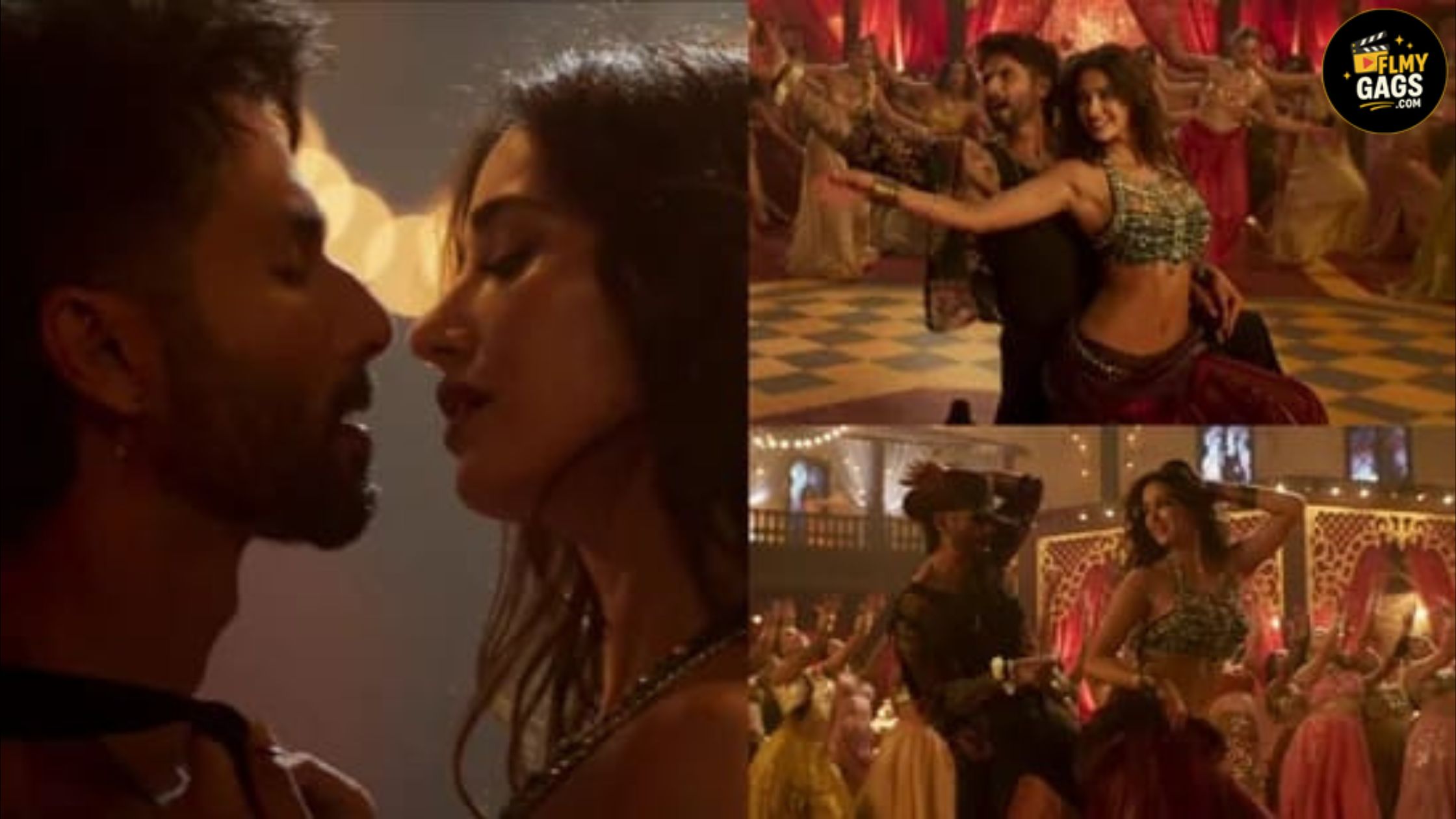
Ever since O Romeo was announced, the film has remained in the spotlight for its unconventional casting and fresh pairings. While fans were thrilled to see Shahid Kapoor share screen space with Triptii Dimri for the first time, another pairing that generated immense curiosity was Shahid Kapoor and Disha Patani. Now, with the release of the song Aashiqon Ki Colony, audiences finally get a glimpse of their chemistry—but reactions to the song have been sharply divided.
Disha Patani and Shahid Kapoor Set the Dance Floor on Fire
The makers of O Romeo recently unveiled Aashiqon Ki Colony, giving fans a visual treat featuring Shahid Kapoor and Disha Patani. Known for their exceptional dancing skills, both actors bring high energy and precision to the choreography. From fluid movements to perfectly timed expressions, the duo proves why they are among Bollywood’s most admired performers when it comes to dance.
The song opens on a nostalgic note, with Disha Patani pulling out a cassette from her lehenga skirt—an immediate throwback to classic 90s Bollywood aesthetics. Shahid Kapoor is seen seated at the centre of the dance floor, setting the stage for what promises to be a grand, old-school dance number.
A Nostalgic 90s Vibe with a Modern Touch
Aashiqon Ki Colony is helmed by the legendary duo of Vishal Bhardwaj and Gulzar, with vocals by Madhubanti Bagchi and Javed Ali. The track clearly aims to recreate the charm of 1990s Bollywood dance numbers—complete with colourful costumes, rhythmic beats, and a theatrical presentation.
Visually, the song checks many boxes. The choreography is well-rehearsed, and both Shahid and Disha look completely at ease, effortlessly matching each other’s energy. Their chemistry comes across as natural and engaging, making the pairing one of the most visually appealing aspects of the song.
Netizens Unimpressed with the Song’s Audio
Despite the impressive visuals and performances, Aashiqon Ki Colony has failed to strike a chord with a section of the audience. Soon after the song’s release, social media platforms—particularly Reddit—were flooded with mixed to negative reactions.
One user commented, “Couldn’t watch the whole song… kept forwarding… boring,” while another wrote, “So bad. I’m sure Disha has such a tiny role in the film that cutting her and this boring item song out entirely will do the film better.” Several viewers expressed disappointment with the song’s composition and lyrics, especially given Gulzar’s involvement.
Gulzar’s Lyrics Face Rare Criticism
One of the most surprising aspects of the online reaction was criticism directed at Gulzar’s songwriting—something rarely seen. A netizen remarked, “I finally experienced a badly written song from Gulzar saab. I don’t think anything is left to see in Bollywood now.” Another user admitted that their excitement for O Romeo had dwindled, stating that everything released so far felt underwhelming.
While many agreed that the choreography and performances were strong, the audio seemed to be the main point of contention. One comment summed it up by saying, “Well choreographed and well performed. Didn’t like the audio though.”
Criticism of Production Design and Styling
Some netizens also pointed out issues with the set design and costumes. According to one comment, “They have put zero effort into the item number. Such a boring set, horrendous costumes, and very monotonous steps.” Others felt that Madhubanti Bagchi’s vocals didn’t quite suit Disha Patani, making the song less impactful.
A few users compared Disha’s expressions to other contemporary actresses, suggesting that while she performed well technically, the emotional connect was missing.
A Mixed Bag for O Romeo Ahead of Release
While Aashiqon Ki Colony showcases Shahid Kapoor and Disha Patani’s undeniable dancing prowess, the lukewarm reception of the song has raised concerns about the film’s musical appeal. With O Romeo still awaiting release, the makers will be hoping that the film’s narrative and remaining soundtrack manage to win over audiences.
For now, the song stands as a visual spectacle with divisive reception—proof that even star power and nostalgia don’t always guarantee universal acclaim.
About the Author