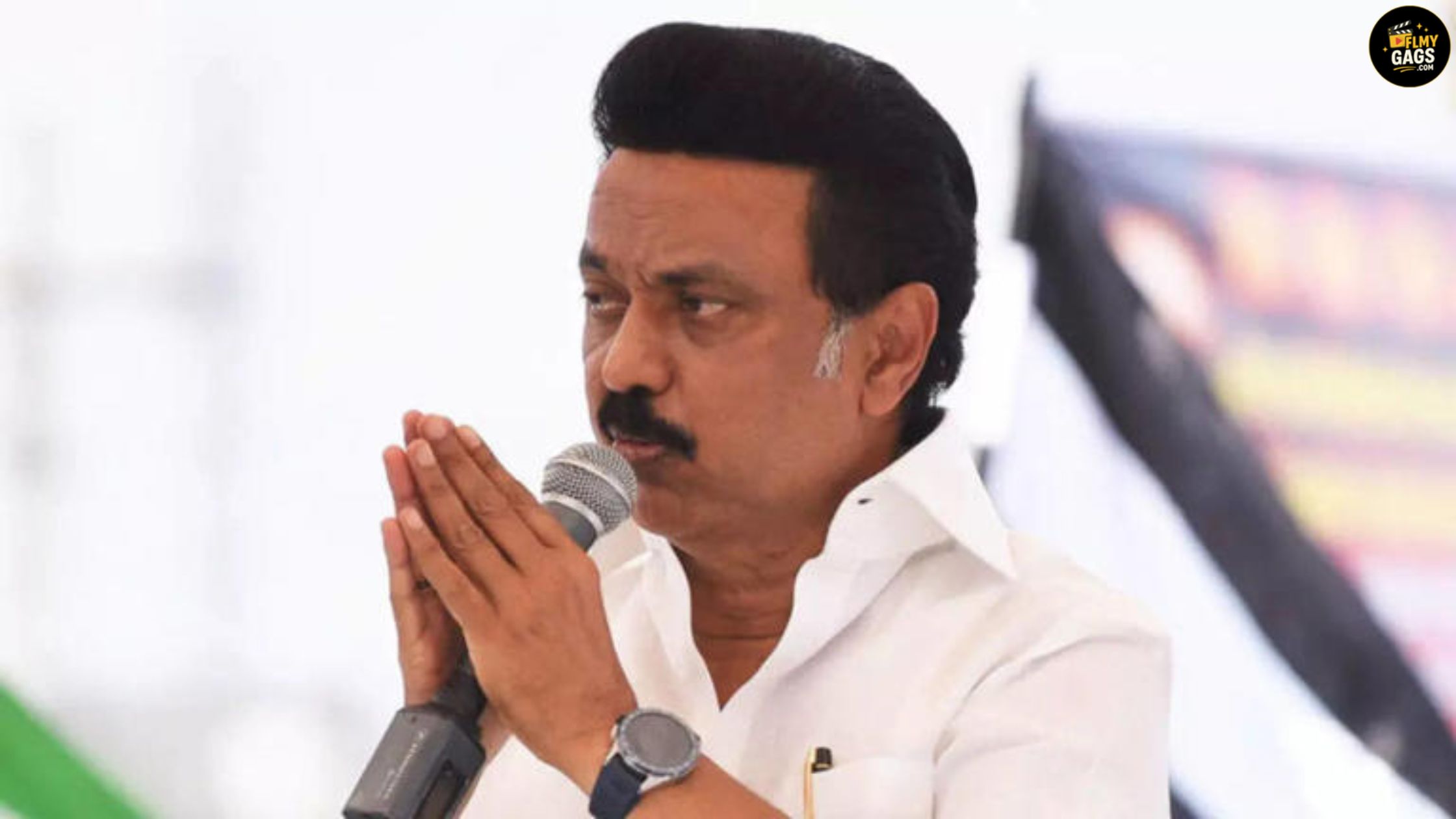
The political landscape in Tamil Nadu is witnessing a dramatic transition as uncertainty surrounding Tamilaga Vettri Kazhagam (TVK) potentially forming the government has triggered a major legal and administrative reshuffle.
In a significant development, more than 100 law officers representing the outgoing Dravida Munnetra Kazhagam (DMK) government and its agencies reportedly tendered their resignations. The resignations include senior legal representatives who have been handling the state’s legal affairs during the tenure of the previous administration.
While the move is largely procedural and political in nature, it has sparked widespread discussion regarding:
- The role of government law officers
- Why resignations happen after a regime change
- How legal appointments are tied to political power
- What this means for governance in Tamil Nadu
- How TVK’s emergence could reshape the state’s administrative structure
This article provides a detailed breakdown of the issue, legal implications, political significance, and what citizens should understand about the changing dynamics in Tamil Nadu.
What Triggered the Mass Resignation of Tamil Nadu Law Officers?
The resignations came amid uncertainty over whether Tamilaga Vettri Kazhagam will officially form the next government in Tamil Nadu.
As political transitions unfold, legal officers appointed during the tenure of the outgoing government typically step down to allow the incoming administration to appoint its own legal representatives.
According to reports:
- More than 100 law officers resigned
- The resignations include advocates representing the state government and its agencies
- They were instructed to continue temporarily for one week
- Interim legal arrangements are yet to be finalized
This temporary continuation ensures that the state remains legally represented during ongoing court proceedings.
Understanding the Role of Government Law Officers
Many people are unaware of how critical government law officers are to state administration.
Who Are Government Law Officers?
Government law officers are legal professionals appointed to represent the state in courts and tribunals.
They include:
- Advocate General
- Additional Advocate Generals
- Government Pleaders
- Public Prosecutors
- Standing Counsels
These officers handle:
- Constitutional matters
- Criminal appeals
- Civil litigation
- Land disputes
- Administrative law cases
- Government policy challenges
In Tamil Nadu, the legal team is headed by Advocate-General P S Raman.
Why Do Law Officers Resign After a Government Change?
Political Nature of Legal Appointments
One of the biggest reasons behind such resignations is that these appointments are often political.
Although law officers are expected to function professionally, governments usually appoint advocates aligned with their ideology or trusted legal experts who have worked closely with the ruling party.
This happens because:
- Governments need legal advisors aligned with policy goals
- Political trust plays a major role
- Sensitive constitutional matters require strategic coordination
As a result, whenever a new government takes charge, a fresh panel of law officers is usually appointed.
How the Transition Process Works
The resignation process follows an established political and administrative pattern.
Typical Transition Steps
| Stage | What Happens |
|---|---|
| Government change | Existing officers submit resignations |
| Interim continuation | Officers continue temporarily |
| New appointments | Incoming government appoints new panel |
| Court representation resumes | New officers begin representing the state |
This transition ensures continuity in governance and prevents legal disruption.
Why the Delay in New Appointments Matters
Interestingly, reports suggest that no interim legal panel has yet been appointed despite the uncertainty.
This is unusual because governments generally appoint:
- 3–4 temporary advocates
- Summer vacation counsels
- Emergency legal representatives
The delay has raised questions about:
- Political negotiations
- Administrative readiness
- Cabinet finalization
- Internal decision-making within TVK
The Rise of Tamilaga Vettri Kazhagam and Its Political Impact
The growing influence of TVK has become one of the biggest developments in Tamil Nadu politics.
Founded by actor-turned-politician Vijay, TVK has rapidly transformed from a political announcement into a serious electoral force.
Why TVK Is Gaining Attention
Several factors contribute to its rise:
- Massive youth support
- Vijay’s fan base
- Anti-incumbency sentiment
- Desire for political alternatives
- Social media influence
The uncertainty over government formation reflects the volatile and evolving political climate in the state.
Why Legal Representation Is Crucial for State Governments
Many ongoing legal matters depend heavily on state law officers.
Cases Typically Handled by Government Counsels
Constitutional Issues
- Reservation policies
- NEET-related litigation
- Governor-state disputes
Administrative Matters
- Recruitment disputes
- Tender conflicts
- Public service appointments
Criminal and Civil Litigation
- Land acquisition
- Corruption cases
- Criminal appeals
Without active representation, the state risks procedural setbacks in courts.
Did You Know?
Tamil Nadu handles thousands of government-related cases annually.
The state government is involved in litigation before:
- The Madras High Court
- District courts
- Administrative tribunals
- The Supreme Court of India
This makes the role of law officers extremely important for governance continuity.
Political Appointments vs Judicial Independence
One common criticism is that legal appointments become overly politicized.
The Debate
Critics argue:
- Governments appoint loyalists over merit
- Legal strategy may become politically driven
- Frequent reshuffles affect continuity
Supporters argue:
- Governments need trusted legal teams
- Policy defense requires alignment
- Every elected administration deserves its own advisors
This tension exists across most Indian states.
What Happens If the State Is Left Unrepresented?
Courts cannot pause simply because governments are transitioning.
That is why outgoing officers were instructed to continue temporarily.
Risks of No Legal Representation
Without legal officers:
- Court hearings may get delayed
- Important matters may go undefended
- Interim orders may affect governance
- Public interest litigation responses may stall
The temporary continuation avoids administrative paralysis.
How Other Indian States Handle Similar Transitions
Tamil Nadu is not unique in this process.
Examples From Other States
Karnataka
Government counsels often resign after elections.
Maharashtra
Major legal reshuffles occur after coalition changes.
Delhi
Political transitions frequently lead to legal restructuring.
Andhra Pradesh
Changes in Advocate General appointments often follow election results.
This reflects a broader pattern in Indian politics.
Pro Tip for Law Aspirants
Political transitions create major opportunities for lawyers.
Many advocates associated with ruling parties:
- Receive government appointments
- Handle constitutional matters
- Build high-profile litigation careers
Government law offices are considered prestigious legal positions in India.
Challenges the Incoming Government May Face
If TVK forms the government, it may encounter several legal and administrative challenges immediately.
1. Building a Trusted Legal Team
A new government must quickly identify:
- Senior counsels
- Constitutional experts
- Administrative law specialists
2. Handling Pending Litigation
Thousands of ongoing cases require:
- Briefing continuity
- Policy understanding
- Immediate legal response
3. Maintaining Administrative Stability
Frequent changes may initially disrupt:
- Coordination with departments
- Court filing timelines
- Litigation strategy
What This Means for Governance in Tamil Nadu
The resignation wave highlights how deeply interconnected politics and administration are in India.
Key Governance Implications
Administrative Reset
A new legal team often signals broader bureaucratic changes.
Policy Reorientation
Legal strategy changes depending on governance priorities.
Political Messaging
Appointments reflect ideological and political direction.
Common Myths About Government Law Officers
Myth 1: They Are Permanent Civil Servants
Reality: Most government counsels serve at the pleasure of the ruling administration.
Myth 2: Resignations Mean a Crisis
Reality: Such resignations are common during political transitions.
Myth 3: Courts Stop Functioning During Transitions
Reality: Interim arrangements ensure continuity.
SEO Keywords Used in This Article
Primary Keyword
- Tamil Nadu law officers resign
Secondary Keywords
- TVK government uncertainty
- Tamil Nadu political news
- DMK law officers resignation
- Tamil Nadu Advocate General
- Government counsels Tamil Nadu
- TVK political developments
Expert Analysis: Why This Political-Legal Shift Matters
The resignations may appear procedural, but they reveal larger truths about Indian governance.
Three Key Observations
1. Legal Systems Are Politically Influenced
Governments heavily rely on trusted legal advisors.
2. Administrative Continuity Is Critical
Even during political uncertainty, state functions must continue.
3. Emerging Political Forces Are Reshaping Tamil Nadu
TVK’s rise indicates a generational and political shift in the state.
The Bigger Picture: Celebrity Politics and Governance
The possible rise of TVK also reflects the continuing influence of cinema in Tamil Nadu politics.
The state has historically witnessed actors becoming influential political leaders, including:
- M G Ramachandran
- J Jayalalithaa
- Vijayakanth
Now, Vijay appears poised to become the latest major entrant in this political tradition.
Conclusion
The resignation of more than 100 law officers in Tamil Nadu marks a crucial moment in the state’s political and legal transition.
While such resignations are part of established political convention, the current uncertainty surrounding Tamilaga Vettri Kazhagam has amplified public and media attention.
The development underscores:
- The political nature of government legal appointments
- The importance of administrative continuity
- The growing influence of emerging political forces like TVK
As Tamil Nadu navigates this transition, the coming weeks will likely determine not only the composition of the state’s legal machinery but also the broader direction of governance and policy in one of India’s most politically significant states.