
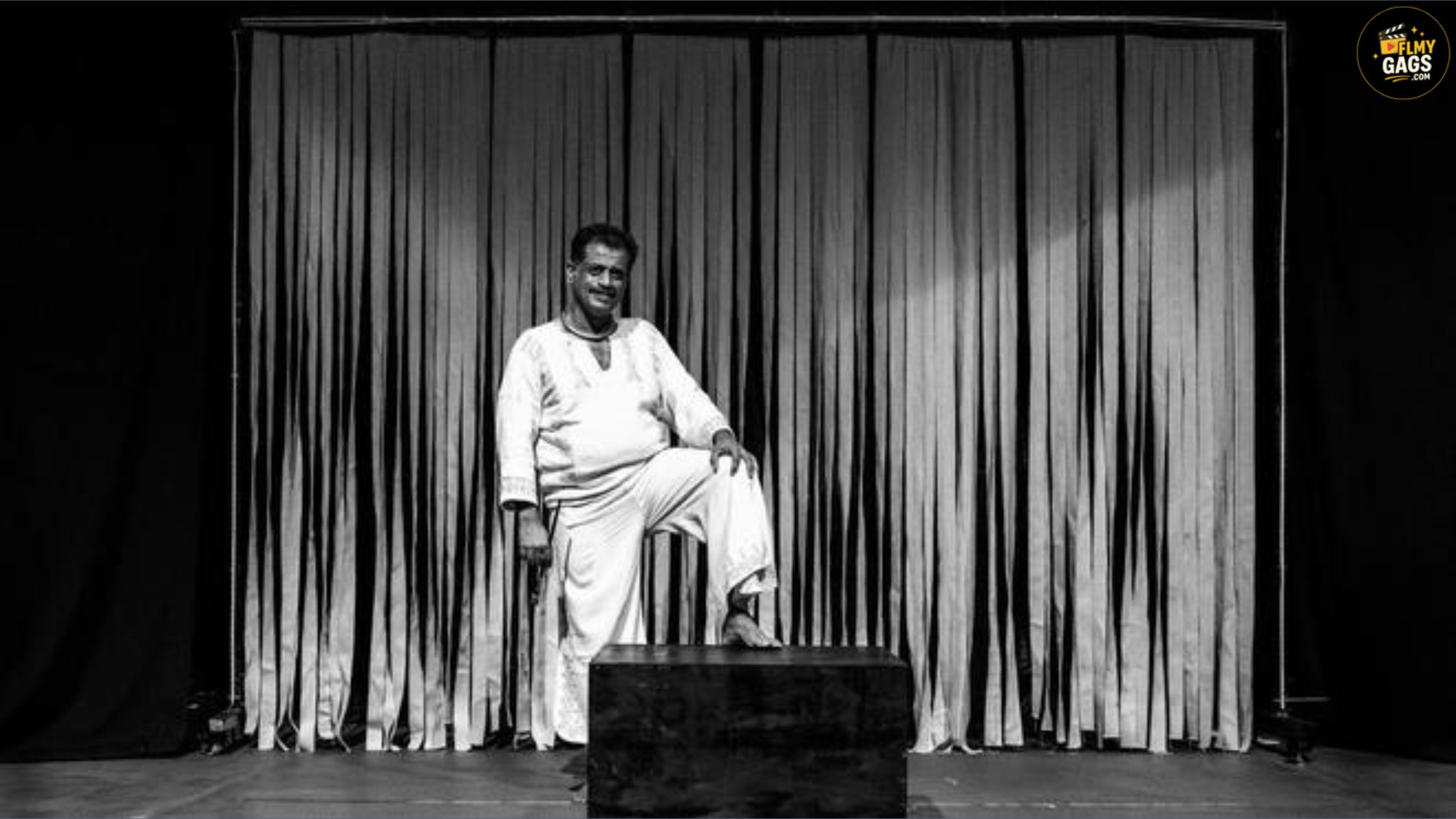
In an era where storytelling is evolving beyond passive viewing, theatre director PR Arun is pushing boundaries with his thought-provoking production Hand of God. The play delves deep into sensitive yet urgent themes such as consent, violence in intimate relationships, and the deeply rooted structures of patriarchy. What sets it apart is not just its subject matter, but its immersive and interactive format that compels audiences to actively engage with the narrative.
A Theatre Experience That Demands Participation
Unlike conventional plays, Hand of God does not allow the audience to remain silent observers. Instead, it places them at the heart of the story. The narrative revolves around complex dynamics of love, marriage, and power — showing how these can often transform into tools of control and abuse.
The play boldly addresses marital rape, a topic still considered taboo in many societies. Through its interactive structure, it forces viewers to confront uncomfortable realities. Whether the audience feels overwhelmed, triggered, or deeply moved, the experience ensures that no one leaves unaffected.
An Ever-Changing Narrative
One of the most striking aspects of Hand of God is its fluid nature. No two performances are ever the same. According to PR Arun, the play evolves based on the audience’s reactions and collective decisions.
Each staging becomes a unique experience shaped by what he describes as the “collective conscience” of the audience. On some days, the atmosphere turns deeply emotional, while on others, it sparks intense debate among viewers. The climax itself is not fixed — it unfolds depending on how the majority of the audience chooses to steer the narrative.
This unpredictability adds a layer of realism and urgency, making the audience reflect on their own beliefs and biases.
Exploring Gender and Power Dynamics
At its core, Hand of God is an exploration of how societal structures reinforce inequality. By focusing on intimate relationships, the play highlights how power imbalances can exist even in spaces that are expected to be safe and loving.
PR Arun uses theatre as a medium to question long-standing norms surrounding gender roles and expectations. The play encourages audiences to examine how consent is often misunderstood or ignored, particularly within marriage.
By bringing these issues into the spotlight, the production contributes to a larger conversation about gender justice and individual autonomy.
From English Script to Malayalam Reinvention
Interestingly, Hand of God was originally written in English in 2019. However, PR Arun later chose to rewrite it in Malayalam, transforming not just the language but also the format of the play.
This shift reflects his evolving perspective on storytelling. He believes that addressing topics like gender and sexuality in native languages makes them more accessible and impactful. By localising the narrative, the play resonates more deeply with audiences while still addressing universal themes.
The transition also highlights a broader trend in contemporary theatre — the idea that being rooted in local culture can enhance global relevance.
PR Arun: A Multi-Faceted Storyteller
Beyond theatre, PR Arun has made significant contributions to cinema and digital content. He has written films such as Nellikka, Jamna Pyari, and Finals, and has also directed some of them. His work spans multiple mediums, showcasing his versatility as a storyteller.
His web series Pharma, currently streaming on JioHotstar, further demonstrates his ability to adapt narratives for different audiences and platforms.
With Hand of God, he returns to the stage with a renewed focus on experimentation and audience engagement.
The Impact of Interactive Theatre
Interactive theatre is gaining traction as a powerful form of storytelling, and Hand of God exemplifies its potential. By involving the audience in decision-making, the play breaks the traditional barrier between performer and viewer.
This approach not only enhances emotional investment but also encourages critical thinking. Audiences are no longer passive consumers — they become participants who influence the outcome of the story.
In doing so, the play mirrors real-life societal dynamics, where collective attitudes often shape outcomes.
Final Thoughts
Hand of God is more than just a play — it is an experience that challenges perceptions and sparks dialogue. PR Arun’s innovative approach ensures that the narrative remains dynamic, relevant, and deeply impactful.
By addressing difficult themes and inviting audiences to engage directly, the production stands as a bold statement on the power of theatre to drive social change. In a world where conversations around consent and gender equality are more important than ever, Hand of God proves that art can be both provocative and transformative.
About the Author