
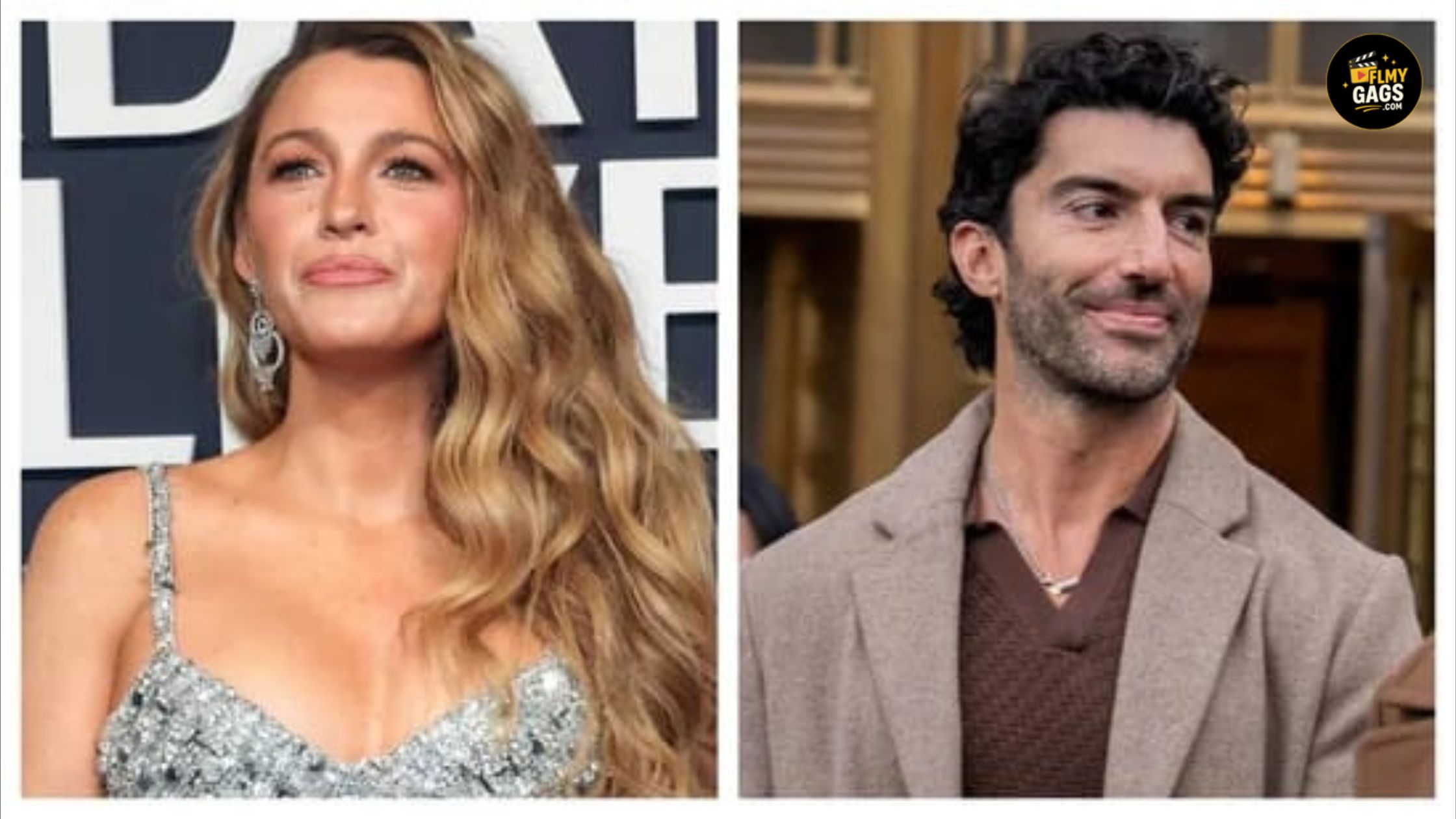
Hollywood actress Blake Lively has faced a significant legal setback in her lawsuit against her It Ends With Us co-star and director Justin Baldoni. In a recent ruling, a U.S. federal judge dismissed the majority of her claims, including serious allegations of sexual harassment and defamation.
This development marks a crucial turning point in the ongoing legal dispute between the two stars.
Court Dismisses Majority of Claims
The ruling was issued by Judge Lewis Liman, who dismissed 10 out of the 13 claims filed by Blake Lively. Among the dismissed claims were allegations of sexual harassment, defamation, and conspiracy.
However, the case is far from over. The court allowed three claims to move forward to trial, including:
- Breach of contract
- Retaliation
- Aiding and abetting retaliation
These remaining claims will now be examined in a civil trial scheduled to take place in New York City on May 18.
Background of the Legal Dispute
The legal battle began in 2024 when Blake Lively filed a lawsuit against Justin Baldoni following their collaboration on the film It Ends With Us.
In her complaint, Lively accused Baldoni of inappropriate behavior on set, including making comments about her appearance and weight. She also alleged that he orchestrated a smear campaign against her.
Baldoni denied all allegations and responded with a countersuit, escalating the conflict into a high-profile legal showdown that has drawn widespread media attention.
Why the Sexual Harassment Claims Were Dismissed
One of the most critical aspects of the ruling was the dismissal of Lively’s sexual harassment claims under federal law.
Judge Liman determined that Lively could not pursue these claims because she was working as an independent contractor rather than an employee. Under U.S. federal law, certain workplace protections—such as those related to harassment—primarily apply to employees, not independent contractors.
Additionally, the judge ruled that Lively could not file harassment claims under California law because the filming of the movie took place in New Jersey, not California.
These jurisdictional and classification issues played a key role in weakening the legal foundation of her case.
Defamation and Conspiracy Claims Also Dropped
Apart from harassment allegations, the court also dismissed Lively’s claims of defamation and conspiracy. This further narrows the scope of the lawsuit and shifts the focus to contractual and retaliation-related issues.
Legal experts suggest that dismissals of this magnitude often reshape the strategy of both parties as the case moves toward trial.
What Happens Next?
Despite the setback, Blake Lively still has a path forward in court. The remaining claims—particularly those involving retaliation and breach of contract—could still carry significant legal and financial implications.
The civil trial in New York City is expected to examine whether any contractual obligations were violated and whether retaliatory actions took place during or after the production of the film.
Both sides are likely to present detailed evidence and witness testimony, making the trial a closely watched event in the entertainment industry.
Impact on Careers and Industry
The case has already generated considerable buzz in Hollywood, especially given the popularity of both actors and the success of It Ends With Us. While legal disputes are not uncommon in the film industry, cases involving high-profile stars and serious allegations often attract intense public scrutiny.
For Blake Lively, the dismissal of key claims may affect public perception, while for Justin Baldoni, the ruling provides partial legal relief. However, with the case still heading to trial, the final outcome remains uncertain.
Conclusion
The dismissal of most claims in Blake Lively’s lawsuit against Justin Baldoni marks a significant development in an already complex legal battle. While the ruling weakens her case considerably, it does not end the dispute entirely.
As the remaining claims head to trial in New York City, all eyes will be on the courtroom for further developments. The outcome could have lasting implications not only for the individuals involved but also for legal standards surrounding workplace conduct in the entertainment industry.
About the Author