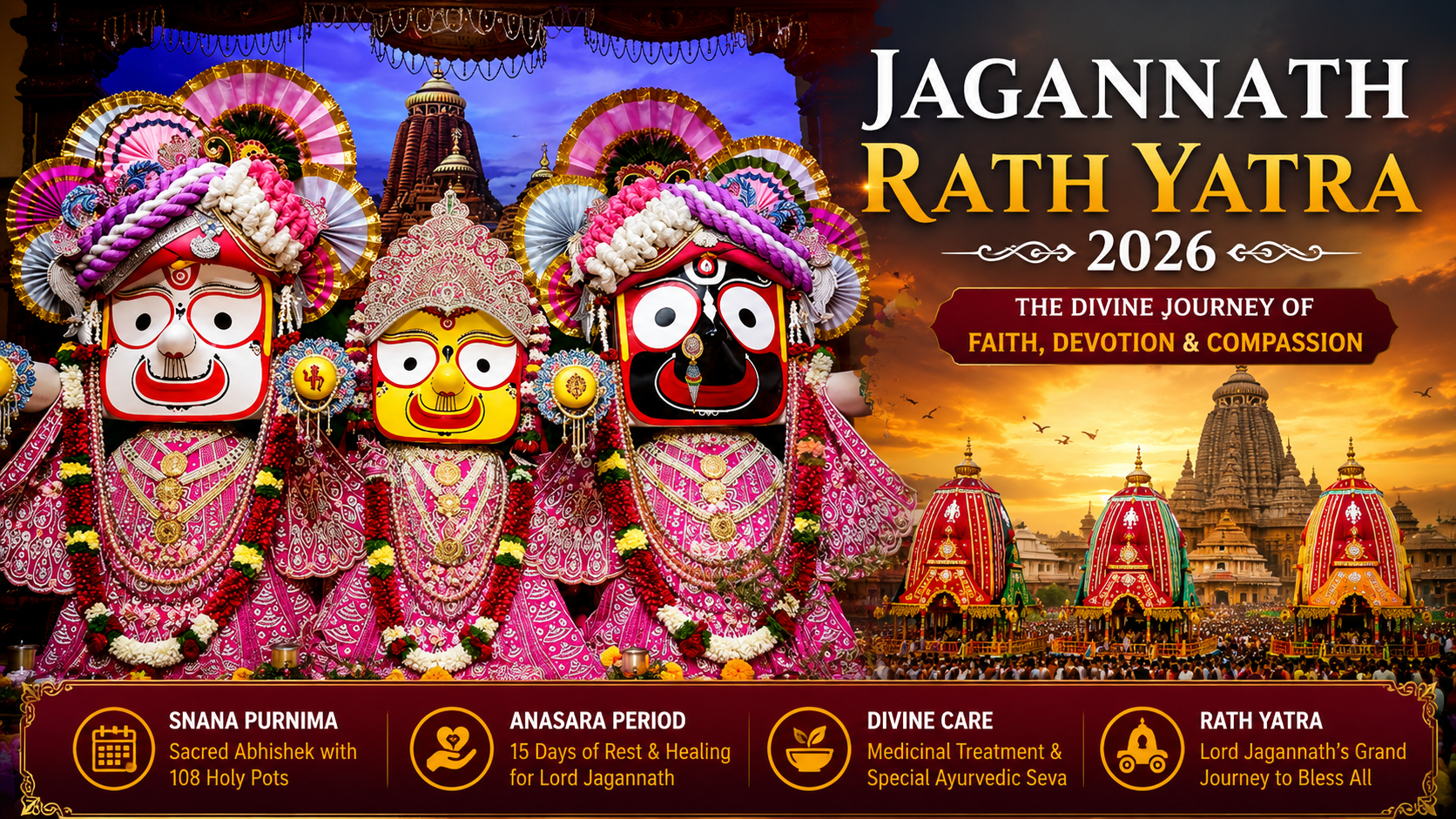
Every year, millions of devotees eagerly wait for the grand Jagannath Rath Yatra in Puri, Odisha. It is one of India’s most celebrated religious festivals, attracting pilgrims from across the world who gather to witness Lord Jagannath, Lord Balabhadra, and Goddess Subhadra embark on their majestic chariot procession.
However, before the Rath Yatra begins, something unique and deeply spiritual happens. Lord Jagannath is believed to fall ill for 15 days, during which devotees are not allowed to have his darshan. This sacred period is known as the Anasara (Anavasara) Period, and it holds immense religious significance in Hindu tradition.
Why does the Lord become ill? Why are the temple doors closed? What happens during these 15 days? Here’s everything you need to know about one of the most fascinating traditions associated with Jagannath Rath Yatra.
What Is Jagannath Rath Yatra?
Jagannath Rath Yatra is an annual Hindu festival celebrated in Puri, Odisha, where Lord Jagannath, along with his elder brother Balabhadra and younger sister Subhadra, travels from the Jagannath Temple to the Gundicha Temple in beautifully decorated wooden chariots.
The festival symbolizes:
- Lord Jagannath’s annual visit to his birthplace.
- Equality among devotees as everyone gets the opportunity to pull the chariots.
- Unity, devotion, and divine blessings.
Every year, millions participate in this sacred celebration.
What Is Snana Purnima?
Before the Rath Yatra, an important ritual known as Snana Purnima is observed.
It falls on the full moon day of the Hindu month of Jyeshtha.
On this auspicious occasion:
- Lord Jagannath
- Lord Balabhadra
- Goddess Subhadra
are ceremonially bathed with water from 108 sacred pots (Kalashas).
The elaborate bathing ceremony is known as the Snana Yatra.
Thousands of devotees gather to witness this rare public bathing ritual.
Why Does Lord Jagannath Fall Ill?
According to ancient temple traditions and religious beliefs, after receiving the grand ceremonial bath with 108 sacred pots of water, Lord Jagannath develops a fever.
Just as excessive bathing may cause illness in humans, the Lord symbolically falls sick after the elaborate Abhishek.
This signifies that although divine, Lord Jagannath shares the emotions, experiences, and physical conditions of his devotees.
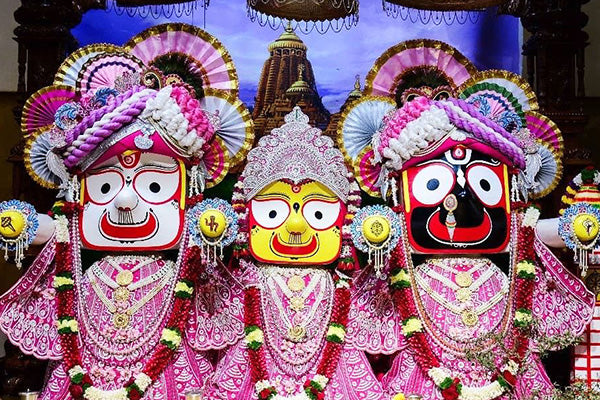
The illness is considered a beautiful expression of God’s closeness to humanity.
What Is the Anasara Period?
Following Snana Purnima begins the sacred Anasara Kaal (also called Anavasara).
This period lasts approximately 15 days.
During this time:
- The temple’s sanctum remains closed to devotees.
- Lord Jagannath is believed to rest.
- Special Ayurvedic treatments are performed.
- Daily public darshan is suspended.
This is one of the few occasions in the year when devotees cannot see Lord Jagannath.
The Beautiful Story of Devotee Madhav Das
One of the most emotional legends associated with the Anasara period revolves around Madhav Das, a devoted follower of Lord Jagannath.
According to traditional beliefs:
Madhav Das had been suffering from a severe illness for many years.
Unable to bear the pain, he prayed sincerely to Lord Jagannath for relief.
The Lord appeared before him and explained that only 15 days of suffering remained due to the karma of his previous birth.
However, seeing the deep devotion and suffering of his devotee, Lord Jagannath decided to bear those remaining 15 days of illness Himself.
As a result:
- Madhav Das recovered completely.
- Lord Jagannath became ill for 15 days.
Since then, devotees believe that every year the Lord symbolically accepts the suffering of His devotees during the Anasara period.
This touching legend reflects God’s unconditional compassion and love.
How Is Lord Jagannath Treated During These 15 Days?
During Anasara, Lord Jagannath is cared for like a human patient.
Temple priests follow special Ayurvedic traditions.
Instead of regular offerings, the Lord receives:
- Herbal medicines
- Medicinal decoctions (Kadha)
- Fruits
- Light food preparations
- Ayurvedic herbs
Temple servitors believe these sacred treatments help the Lord recover before Rath Yatra.
This unique practice highlights the human aspect of Lord Jagannath’s divine form.
Why Are Devotees Not Allowed Inside the Temple?
Many devotees wonder why the temple remains closed during this period.
According to temple customs:
The Lord requires complete rest and privacy while recovering from illness.
Just as family members allow a sick loved one to rest peacefully, devotees respectfully wait until Lord Jagannath regains His health.
This absence actually strengthens devotees’ longing for His darshan.
What Is Nava Jaubana Darshan?
After recovering from illness, Lord Jagannath appears before devotees in a special ceremony known as Nava Jaubana Darshan, meaning “the Lord’s youthful appearance.”
It marks:
- Complete recovery.
- Divine rejuvenation.
- Preparation for Rath Yatra.
Thousands of devotees gather for this rare darshan.
Many believe witnessing Nava Jaubana Darshan brings immense spiritual blessings.
The Grand Rath Yatra Begins
Soon after Nava Jaubana Darshan, the world-famous Rath Yatra begins.
Three magnificent chariots are prepared:
Nandighosha
Lord Jagannath’s chariot.
Taladhwaja
Lord Balabhadra’s chariot.
Darpadalana
Goddess Subhadra’s chariot.
Lakhs of devotees pull these giant wooden chariots through the streets of Puri while chanting:
“Jai Jagannath!”
The festival symbolizes God’s willingness to leave the temple and bless every devotee, irrespective of caste, religion, or social status.
Spiritual Significance of the Anasara Period
The Anasara period carries several profound spiritual messages.
God Shares Human Emotions
Lord Jagannath experiences illness just like His devotees, showing His closeness to humanity.
Compassion Above All
The story of Madhav Das teaches that sincere devotion can move even the Divine.
Patience Strengthens Devotion
The 15-day wait increases devotees’ longing and love for the Lord.
Faith Beyond Physical Presence
Even without darshan, devotees continue their prayers, proving true devotion goes beyond seeing the deity.
Rituals Performed During Anasara
Several important rituals take place behind closed doors.
These include:
- Daily Ayurvedic treatment
- Herbal food offerings
- Secret temple ceremonies
- Special prayers by temple servitors
- Preparation for Nava Jaubana Darshan
Only selected temple priests are permitted to perform these sacred rituals.
Why Millions Visit Puri During Rath Yatra
Jagannath Rath Yatra is much more than a religious festival.
People visit Puri to:
- Seek Lord Jagannath’s blessings.
- Witness the magnificent chariots.
- Participate in pulling the Rath.
- Experience centuries-old traditions.
- Feel the spiritual atmosphere of one of India’s holiest cities.
For many devotees, witnessing Rath Yatra is considered a once-in-a-lifetime blessing.
Lessons We Can Learn from Lord Jagannath’s Illness
The story of Lord Jagannath falling ill teaches timeless life lessons.
Compassion
True love means sharing another person’s pain.
Service
Even God serves His devotees.
Humility
Divinity embraces humanity without hesitation.
Faith
Patience during difficult times strengthens spiritual connection.
Healing
Physical and emotional healing both require rest, care, and faith.
Jagannath Rath Yatra 2026 Dates (Approximate)
- Snana Purnima: June 2026 (as per the Hindu calendar)
- Anasara Period: 15 days after Snana Purnima
- Nava Jaubana Darshan: One day before Rath Yatra
- Jagannath Rath Yatra 2026: As per the official temple calendar
(Devotees should always verify dates through the official Jagannath Temple schedule.)
Conclusion
The 15-day Anasara period before Jagannath Rath Yatra is far more than a religious tradition. It beautifully symbolizes the loving bond between God and His devotees. Whether viewed through the touching legend of Madhav Das or the symbolic healing rituals performed inside the temple, the story reflects Lord Jagannath’s compassion, humility, and willingness to share in the suffering of humanity.
As millions gather in Puri for Rath Yatra 2026, understanding the significance of Anasara adds even deeper meaning to this magnificent festival. It reminds us that true devotion is built on patience, faith, and unconditional love—and that, according to tradition, the Lord Himself is always ready to bear the burdens of His devotees.
This website is proudly managed and maintained by Shunya Digit.