India’s higher education system often finds itself caught between politics, governance, and institutional autonomy. Few cases illustrate this better than the long-running conflict over Vice Chancellor appointments in West Bengal universities.
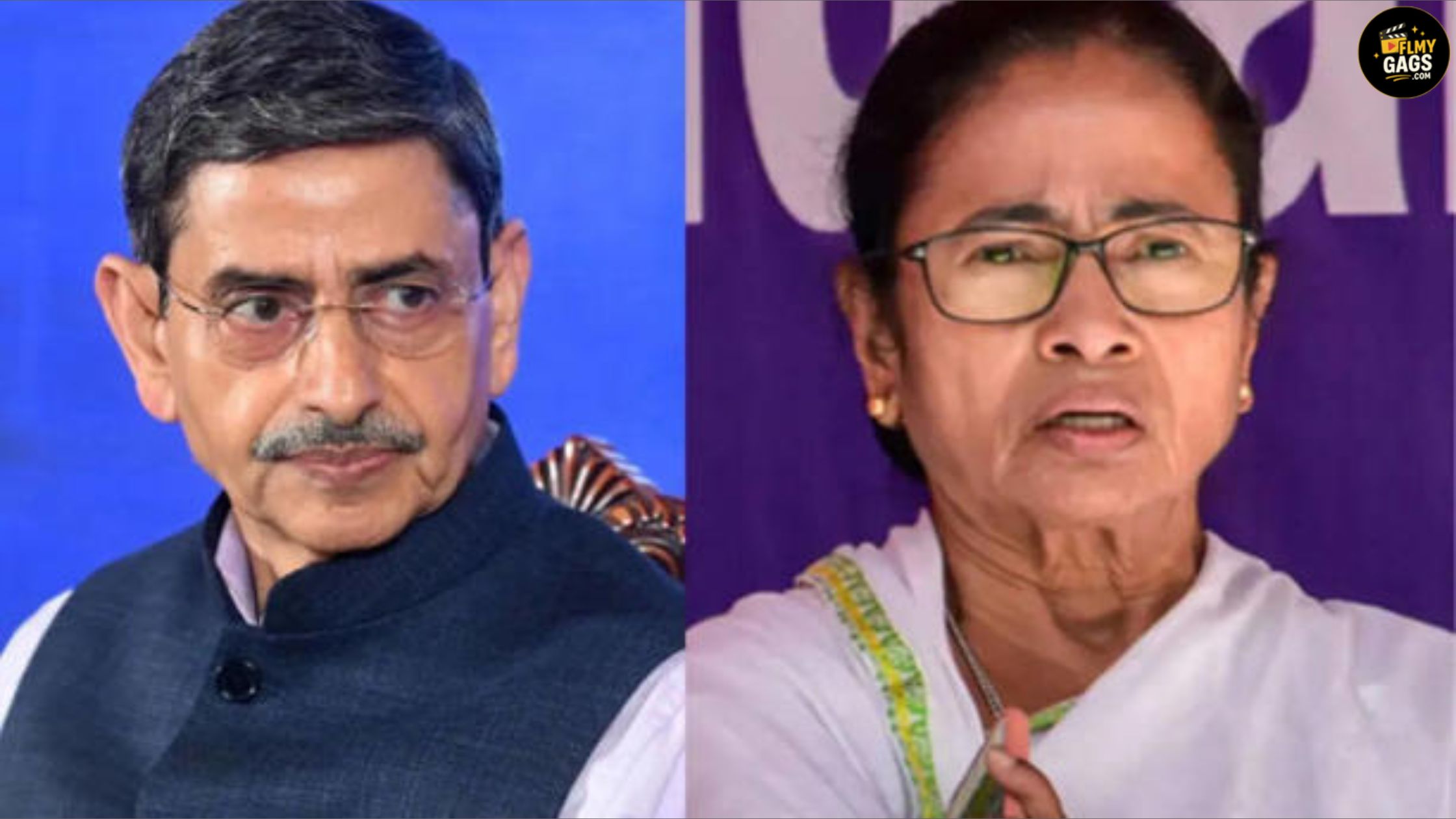
In a landmark development, the Supreme Court of India has officially brought an end to the prolonged dispute between the West Bengal government and Governor R N Ravi regarding the appointment of Vice Chancellors (VCs) across state universities.
The court’s decision not only resolves a politically sensitive issue but also carries major implications for:
- University governance
- Constitutional authority
- Academic autonomy
- State-Governor relations
- Future VC appointment procedures in India
With the approval process now completed for all 36 state universities, the judgment marks a significant turning point for higher education administration in West Bengal.
But why did this dispute escalate to the Supreme Court? Why are Vice Chancellor appointments so politically sensitive? And what does this verdict mean for universities, students, and governance across India?
This detailed analysis explains everything you need to know.
Understanding the West Bengal Vice Chancellor Appointment Dispute
The conflict revolved around the constitutional and administrative powers involved in appointing Vice Chancellors in state-run universities.
Who Were the Key Stakeholders?
The dispute primarily involved:
| Stakeholder | Role |
|---|---|
| West Bengal Government | Responsible for higher education administration |
| Governor R N Ravi | Chancellor of state universities |
| Supreme Court | Constitutional adjudicator |
| Search-cum-selection committee | Recommended VC candidates |
The disagreement emerged because both the state government and the Governor claimed authority over the appointment process.
Why Vice Chancellor Appointments Matter So Much
A Vice Chancellor is the highest executive authority in a university.
Key Responsibilities of a Vice Chancellor
VCs oversee:
- Academic administration
- Faculty appointments
- Research development
- Financial management
- Policy implementation
- Institutional discipline
- University reputation
In many ways, a university’s direction and academic quality heavily depend on its Vice Chancellor.
That’s why VC appointments often become politically and administratively significant.
How the Conflict Escalated
The tussle between the West Bengal government and Governor R N Ravi continued for years.
Root of the Deadlock
The disagreement centered on:
- Selection procedures
- Constitutional authority
- Approval mechanisms
- Chancellor’s powers
- State government recommendations
As delays increased, multiple universities began operating without permanent Vice Chancellors.
This created:
- Administrative instability
- Academic delays
- Policy uncertainty
- Governance confusion
Supreme Court Intervention: A Turning Point
Due to the prolonged deadlock, the matter eventually reached the Supreme Court.
The court recognized that the issue was affecting the functioning of universities and decided to intervene directly.
Formation of Search-Cum-Selection Committee
To break the stalemate, the Supreme Court earlier constituted a search-cum-selection committee headed by former Chief Justice of India UU Lalit.
The committee’s role included:
- Evaluating eligible candidates
- Maintaining neutrality
- Ensuring merit-based recommendations
- Reducing political conflict
This became one of the most significant judicial interventions in university governance in recent years.
Supreme Court’s Final Verdict Explained
On Friday, the Supreme Court formally closed the case.
The bench comprising:
- Chief Justice Surya Kant
- Justice Joymalya Bagchi
approved the recommendations for the remaining three universities.
Universities Covered in the Final Phase
The final pending universities were:
- Maulana Abul Kalam Azad University of Technology
- University of North Bengal
- Netaji Subhas Open University
The court directed the West Bengal government to place the approved names before Governor R N Ravi for final action.
With this decision:
Vice Chancellor appointments for all 36 universities are now complete.
The prolonged legal battle has officially ended.
Universities can move toward administrative stability.
Why This Supreme Court Decision Is Significant
This ruling carries implications far beyond West Bengal.
1. Restores Stability in Universities
Several universities had struggled with uncertainty due to delayed appointments.
Problems Caused by Leadership Vacancies
Without permanent VCs, institutions often face:
- Delayed academic decisions
- Slow recruitment processes
- Administrative paralysis
- Reduced accountability
- Research stagnation
The court’s decision helps restore continuity and operational efficiency.
2. Reinforces Judicial Neutrality
The Supreme Court’s intervention demonstrated how judicial oversight can help resolve constitutional deadlocks.
Instead of favoring one political side, the court:
- Created an independent committee
- Ensured transparent recommendations
- Focused on institutional functionality
This approach helped depoliticize the process.
3. Highlights Constitutional Tensions Between Governors and States
One of the biggest lessons from this dispute involves the broader debate over the role of Governors in India.
Why Governors Often Clash With State Governments
Governors are appointed by the central government but function within states.
This can sometimes create tensions regarding:
- Legislative approvals
- University administration
- Constitutional powers
- Political priorities
West Bengal is not the only state facing such issues.
Similar disputes have emerged in:
- Tamil Nadu
- Kerala
- Punjab
- Maharashtra
Did You Know?
In many Indian states, the Governor also serves as the Chancellor of state universities, giving them substantial influence over higher education governance.
The Role of University Autonomy in India
The case also revives an important discussion around university independence.
Why Academic Autonomy Matters
Strong universities require freedom in:
- Faculty recruitment
- Research decisions
- Curriculum development
- Administrative governance
Political interference can negatively impact:
- Educational standards
- Research quality
- Global rankings
- Institutional trust
The Supreme Court’s committee-based approach attempted to protect merit and neutrality.
Political vs Academic Governance: The Bigger Debate
This case reflects a recurring challenge in Indian higher education.
Key Question
Who should ultimately control university appointments?
The State Government?
Arguments in favor:
- Public accountability
- Democratic legitimacy
- Educational policy alignment
The Governor/Chancellor?
Arguments in favor:
- Neutral oversight
- Protection from political influence
- Institutional balance
Independent Bodies?
Many education experts believe independent commissions may offer the best solution.
How Delayed VC Appointments Affect Students
While political debates dominate headlines, students often suffer the most.
Real-World Impact on Students
Leadership uncertainty can delay:
- Examinations
- Degree approvals
- Faculty recruitment
- Scholarship processing
- Research grants
- Infrastructure development
Students may also face:
- Reduced academic planning
- Administrative confusion
- Declining institutional credibility
Pro Tip for Students
Students should monitor university governance developments because leadership stability directly affects academic quality and career opportunities.
What Happens Next for West Bengal Universities?
With appointments now finalized, universities can focus on long-term academic development.
Immediate Priorities for New Vice Chancellors
The newly appointed VCs may need to address:
Administrative Reforms
Many universities require modernization and operational restructuring.
Faculty Vacancies
Teacher shortages remain a major issue across public universities.
Research Growth
Improving research output is essential for national and global competitiveness.
Digital Infrastructure
Post-pandemic education increasingly depends on digital systems and hybrid learning.
How This Decision Could Influence Other States
The Supreme Court’s handling of this matter may become a reference point for future disputes.
Potential National Impact
Other states facing Governor-government conflicts may see:
- Greater judicial involvement
- Independent selection committees
- Calls for legal reforms
- Pressure for transparent appointment systems
This case could influence future higher education governance policies across India.
Common Myths About University Governance
Myth 1: Vice Chancellor Appointments Are Purely Academic
Reality: They often involve legal, political, and constitutional considerations.
Myth 2: Governance Conflicts Do Not Affect Students
Reality: Administrative instability can significantly disrupt academic functioning.
Myth 3: Governors Only Perform Ceremonial Roles
Reality: Governors often hold powerful constitutional positions in university administration
Challenges Still Facing Indian Universities
Even though the appointment dispute is resolved, broader challenges remain.
Key Problems in Indian Higher Education
| Challenge | Impact |
|---|---|
| Political interference | Reduced autonomy |
| Faculty shortages | Declining academic quality |
| Funding limitations | Infrastructure delays |
| Research gaps | Lower global rankings |
| Bureaucratic inefficiency | Slow reforms |
Why Higher Education Reform Is Urgently Needed
India aims to become a global education hub.
However, achieving this goal requires:
- Stable governance
- Merit-based leadership
- Research investment
- Reduced politicization
- Institutional accountability
The West Bengal VC dispute highlights why governance reforms are essential.
The Importance of Transparent Appointment Systems
Experts increasingly advocate for standardized VC appointment procedures nationwide.
Ideal Features of a Strong Appointment System
- Merit-based evaluation
- Independent search committees
- Transparent eligibility criteria
- Reduced political interference
- Fixed timelines
Such systems improve trust and institutional credibility.
Lessons From the Supreme Court’s Approach
The court’s handling of the issue offers several governance lessons.
Key Takeaways From the Judicial Process
Neutral Mediation Works
Independent committees can reduce political polarization.
Institutional Stability Matters
Courts prioritized university functionality over political rivalry.
Merit-Based Governance Is Essential
Academic leadership requires competence, not political alignment.
Future of Higher Education Governance in India
The resolution of this dispute may mark the beginning of broader reforms.
Emerging Trends
India’s university governance model may gradually move toward:
- Greater autonomy
- Professional leadership selection
- Reduced political confrontation
- Stronger accountability systems
Final Verdict: A Landmark Resolution for Indian Higher Education
The Supreme Court’s closure of the West Bengal Vice Chancellor appointment dispute represents far more than a legal victory.
It symbolizes:
- Restoration of institutional stability
- Protection of academic continuity
- Judicial balancing of constitutional powers
- A push toward more transparent governance
By ensuring the appointment process for all 36 state universities is completed, the court has helped restore administrative normalcy in West Bengal’s higher education system.
However, the broader questions surrounding:
- University autonomy
- Governor-state relations
- Political influence in education
…will likely continue shaping India’s higher education landscape in the years ahead.