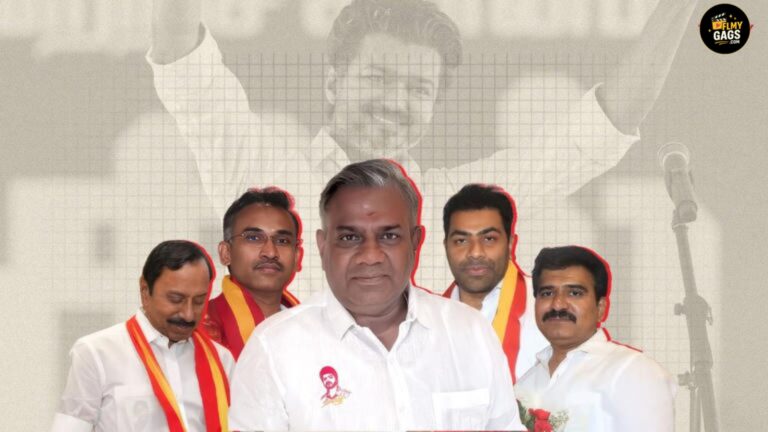
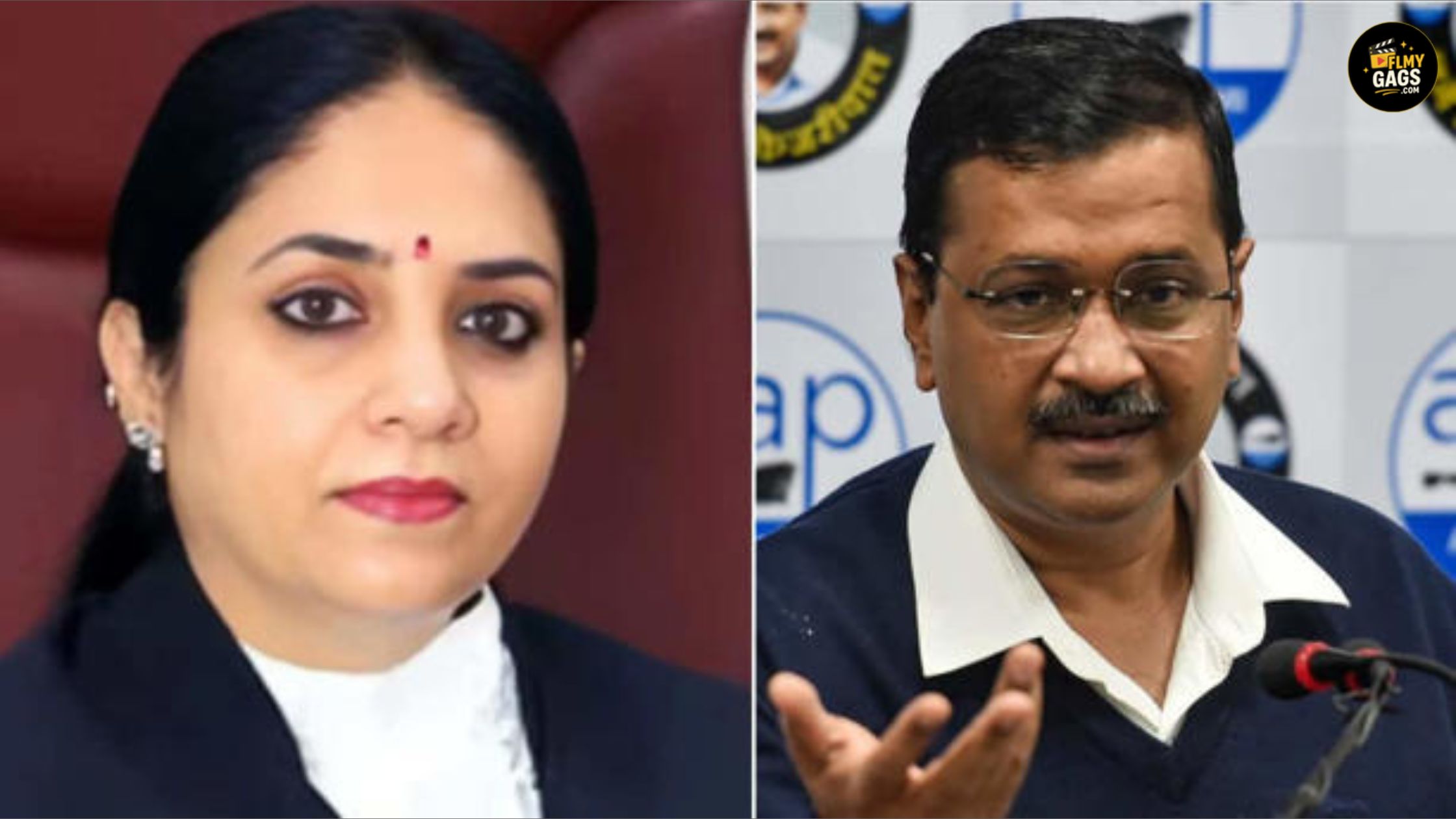
Indian politics is no stranger to controversy—but the latest developments in the excise policy case have added a dramatic twist.
When top leaders of the Aam Aadmi Party, including Arvind Kejriwal and Manish Sisodia, reportedly refused to appear before the court, it raised serious legal and political questions.
Now, another leader, Durgesh Pathak, has joined in—declaring he will not attend court proceedings either.
This isn’t just a legal issue anymore. It’s a defining moment for governance, accountability, and political strategy in India.
What Is the Excise Policy Case?
Background of the Controversy
The excise policy case revolves around alleged irregularities in Delhi’s liquor policy introduced by the Government of Delhi.
Key allegations include:
- Favoritism toward certain liquor vendors
- Policy manipulation for financial gain
- Procedural violations during implementation
Investigations have involved agencies like the Central Bureau of Investigation and Enforcement Directorate.
Why Are AAP Leaders Refusing to Appear?
The Core Argument
Leaders from the Aam Aadmi Party claim:
- The case is politically motivated
- Legal proceedings are being used as a tool of pressure
- They stand united in protest
In his letter, Durgesh Pathak stated he would neither appear personally nor send legal representation.
Legal Implications: Can You Refuse a Court Summons?
What the Law Says
In India, ignoring a court summons can lead to:
- Issuance of bailable or non-bailable warrants
- Contempt of court proceedings
- Escalation of legal consequences
Possible Outcomes
| Action | Legal Consequence |
|---|---|
| Ignoring summons | Court may issue warrants |
| No legal representation | Weakens defense position |
| Public refusal | May influence judicial stance |
Key Insight:
Courts prioritize procedure and compliance. Refusal can complicate legal standing significantly.
Political Strategy or Legal Risk?
A Calculated Move?
Refusing court appearance could be:
- A symbolic protest
- A way to mobilize public support
- An attempt to shift narrative from legal to political
Risks Involved
- Loss of credibility among neutral voters
- Legal escalation
- Negative media perception
Did You Know?
- In high-profile cases, public perception can be as influential as legal outcomes
- Political leaders often use legal battles to strengthen voter narratives
Impact on Indian Politics
1. Strengthening Party Unity
The stance taken by Aam Aadmi Party leaders signals:
- Internal solidarity
- Centralized leadership strategy
2. National Political Narrative
This case could influence:
- Opposition vs ruling party debates
- Election campaigns
- Public trust in institutions
3. Governance Concerns
When top leaders are entangled in legal issues:
- Administrative focus may shift
- Policy implementation may slow
Public Reaction: Divided Opinions
Supporters Say:
- It’s a fight against political misuse of agencies
- Leaders are standing up for democracy
Critics Say:
- It shows disrespect for judicial processes
- Leaders should comply and prove innocence
Real-World Scenario: What Happens Next?
Possible Legal Steps
- Court issues fresh summons
- Non-compliance leads to warrants
- Case escalates to higher courts
Political Developments
- Increased media scrutiny
- Public rallies or statements
- Strategic communication campaigns
Common Myths About Political Legal Cases
Myth 1: “Refusing court appearance shows strength”
Reality: It can weaken legal defense and escalate consequences.
Myth 2: “All cases are politically motivated”
Reality: Some may be—but courts evaluate evidence independently.
Myth 3: “Public support can override legal outcomes”
Reality: Courts operate on law, not public opinion.
Pro Tip
For political observers: Always separate legal facts from political narratives to understand the real picture.
Broader Lessons for Democracy
Rule of Law vs Political Expression
This situation raises a critical question:
Can political protest justify non-compliance with legal procedures?
A functioning democracy depends on:
- Respect for institutions
- Accountability of leaders
- Transparency in governance
SEO Keywords Used
- Primary Keyword: AAP excise policy case
- Secondary Keywords:
- Arvind Kejriwal court case
- Delhi excise policy controversy
- AAP leaders legal issues
- Indian political news
- court summons refusal India
What Should Citizens Watch Closely?
Key Indicators
- Court’s next legal action
- Statements from Arvind Kejriwal
- Role of investigative agencies
- Public response and media framing
Conclusion: A Defining Moment in Politics and Law
The refusal of Durgesh Pathak and other leaders to appear in court marks a critical juncture.
This is no longer just about a policy—it’s about principles.
Will this strategy strengthen political support or backfire legally?
Only time—and the courts—will decide.
Key Takeaways
- AAP leaders have refused court appearance in the excise policy case
- Legal consequences could escalate quickly
- The move may be both political strategy and legal risk
- Public opinion remains divided
- The case could shape future political narratives
FAQs
1. What is the AAP excise policy case?
It involves alleged irregularities in Delhi’s liquor policy and is under investigation by agencies like the CBI and ED.
2. Why are AAP leaders refusing to appear in court?
They claim the case is politically motivated and are protesting against it.
3. What happens if someone ignores a court summons in India?
The court may issue warrants and take stricter legal action.
4. Who are the key leaders involved?
Key figures include Arvind Kejriwal, Manish Sisodia, and Durgesh Pathak.
5. How does this impact Indian politics?
It influences public perception, political narratives, and governance dynamics.
Final CTA
Want to stay informed on critical political developments?
Follow credible sources, analyze both sides, and form your own informed opinion—because in democracy, awareness is power.
About the Author