Indian politics thrives on drama, but every now and then, a move shakes the system enough to spark nationwide debate. The recent defection of Raghav Chadha from the Aam Aadmi Party (AAP) to the Bharatiya Janata Party (BJP) has done exactly that.
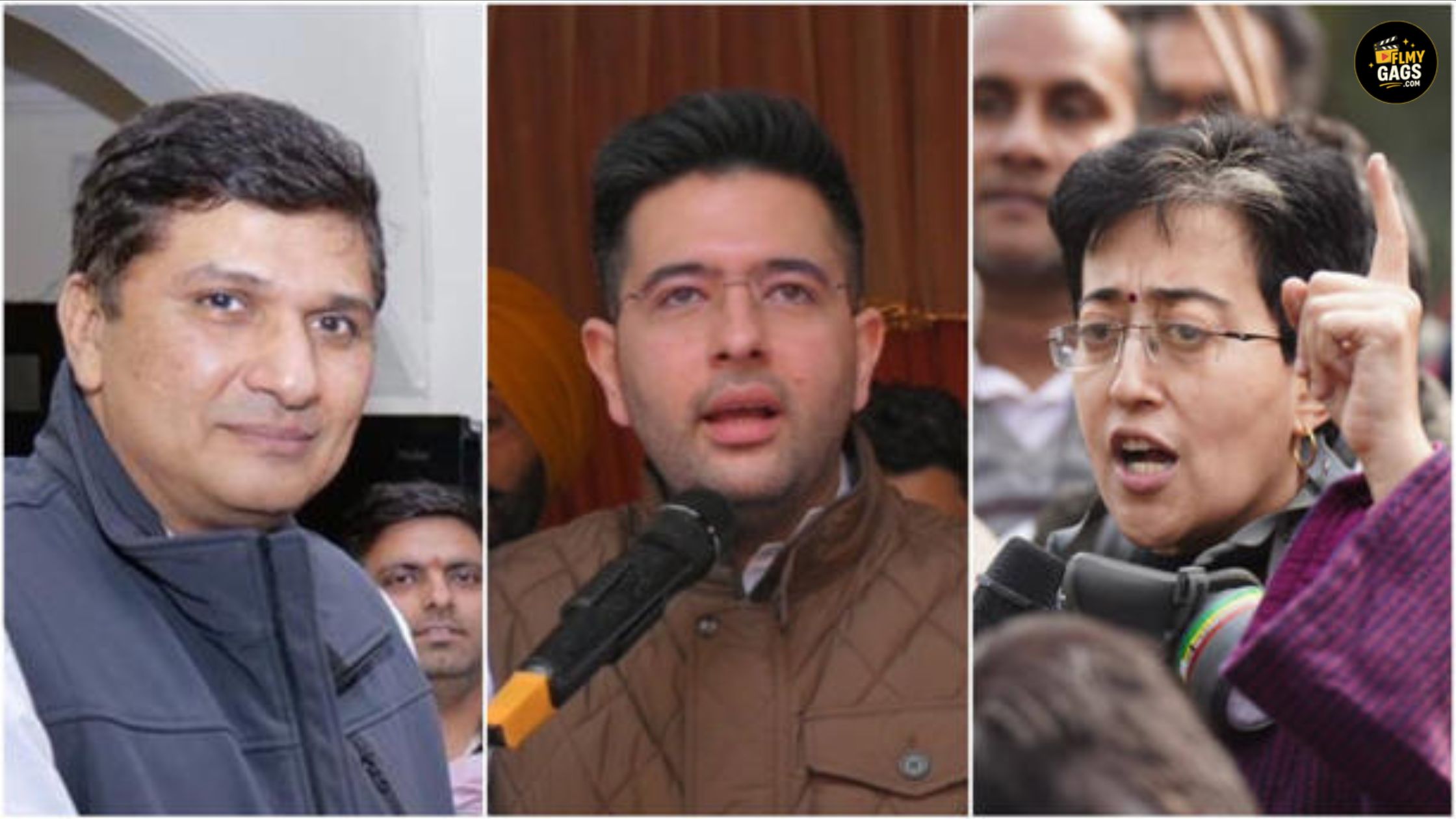
What began as a routine political switch quickly escalated into a war of words. AAP leaders like Saurabh Bharadwaj and Atishi have publicly criticized or distanced themselves from Chadha, turning the spotlight on deeper issues within party dynamics.
But this isn’t just about one leader switching sides. It’s about loyalty, power equations, public perception, and the evolving nature of Indian politics.
In this blog, we’ll break down the Raghav Chadha defection controversy, its implications, and what it signals for the future.
Understanding the Raghav Chadha Defection Controversy
What Exactly Happened?
In a surprising move, Raghav Chadha, once considered a rising star in AAP, reportedly left the party to join BJP. The backlash was immediate.
- Saurabh Bharadwaj criticized the move, implying Chadha’s rise—including personal milestones—was tied to AAP.
- Atishi chose not to engage publicly, signaling strategic silence.
- Multiple AAP MPs reportedly followed suit, raising concerns of a larger internal shift.
This isn’t just a defection—it’s a narrative battle.
Why Political Defections Matter in India
1. Impact on Party Stability
Political parties rely heavily on public trust and internal cohesion. High-profile exits:
- Shake voter confidence
- Expose internal fractures
- Trigger domino effects
2. Power Dynamics in Parliament
As a Rajya Sabha MP, Chadha’s move could:
- Shift voting equations
- Strengthen BJP’s legislative advantage
- Influence policy outcomes
3. Public Perception & Credibility
Defections often raise uncomfortable questions:
- Was ideology ever real?
- Are politicians driven by opportunity?
- Can voters trust party loyalty?
AAP’s Reaction: Strategy or Silence?
Saurabh Bharadwaj’s Sharp Attack
Bharadwaj didn’t hold back. His remarks hinted that:
- Chadha’s success was built on AAP’s platform
- His departure was seen as betrayal
This aggressive stance signals damage control mixed with frustration.
Atishi’s Silence: A Calculated Move?
On the other hand, Atishi avoided commenting altogether.
Why silence might be strategic:
- Avoid amplifying controversy
- Prevent internal panic
- Maintain public composure
The Bigger Picture: Trends in Indian Political Defections
Is This a Growing Pattern?
Absolutely. Over the past decade, India has seen:
- Increased party-switching among MPs and MLAs
- Strategic alignments before elections
- Ideology taking a backseat to electability
Common Reasons Behind Defections
| Reason | Explanation |
|---|---|
| Political Opportunity | Better chances of winning elections |
| Leadership Conflicts | Disagreements within party |
| Ideological Shift | Genuine or convenient alignment |
| Pressure & Influence | External political forces |
Real-World Example: How Defections Change Elections
Consider past elections where:
- A single leader’s switch influenced entire voter bases
- Regional parties lost ground due to internal exits
- National parties gained momentum through strategic inductions
Defections are not isolated—they reshape political landscapes.
Did You Know?
India has an Anti-Defection Law under the Tenth Schedule of the Constitution.
But here’s the catch:
- It mainly applies to elected representatives voting against party lines
- It doesn’t fully prevent pre-emptive resignations or strategic exits
Public Reaction: Trust vs Cynicism
How Voters Typically Respond
- Disappointment: Seen as betrayal
- Acceptance: Viewed as political reality
- Strategic Voting: Shift based on new alignments
Social Media Amplification
In today’s digital age:
- Every statement goes viral
- Narratives are shaped instantly
- Public opinion becomes polarized
Pro Tip: How to Read Political Moves Like an Expert
When analyzing defections like the Raghav Chadha case, look beyond headlines:
- Timing: Why now?
- Beneficiaries: Who gains the most?
- Pattern: Is this part of a larger shift?
Politics is rarely spontaneous—it’s strategic.
SEO Insight: Why This Topic Matters
Primary Keyword:
- Raghav Chadha defection controversy
Secondary Keywords:
- AAP vs BJP political drama
- Indian political defections
- Rajya Sabha MP controversy
- AAP internal conflict
- political party switching India
This topic is trending because:
- It involves high-profile leaders
- It connects to broader political themes
- It sparks emotional and ideological debates
What This Means for AAP
Short-Term Impact
- Media scrutiny
- Internal instability
- Opposition attacks
Long-Term Risks
- Loss of emerging leaders
- Weakening national presence
- Trust deficit among voters
What This Means for BJP
Strategic Gains
- Strengthening parliamentary numbers
- Expanding influence
- Weakening opposition
Potential Risks
- Perception of opportunistic politics
- Integration challenges
Myths vs Reality of Political Defections
Myth 1: Defections Always Hurt the Original Party
Reality: Sometimes they help consolidate loyal supporters.
Myth 2: Politicians Switch Only for Power
Reality: While common, ideological and personal factors also play a role.
Myth 3: Voters Always Punish Defectors
Reality: Many defectors win elections again under new parties.
Actionable Insights for Political Observers
If you’re tracking Indian politics:
- Follow patterns, not just events
- Analyze alliances and timing
- Pay attention to grassroots reactions
Future Outlook: What Happens Next?
Possible Scenarios
- More Defections
- Could signal deeper unrest within AAP
- AAP Regains Control
- Strong leadership response could stabilize the party
- BJP Consolidates Gains
- Strategic expansion continues
The story is far from over.
Conclusion: More Than Just a Political Switch
The Raghav Chadha defection controversy is not just about one leader changing sides.
It highlights:
- The fragile nature of political loyalty
- The strategic chessboard of Indian politics
- The growing importance of perception and narrative
In a democracy, every move counts—and this one could have ripple effects for years.
About the Author