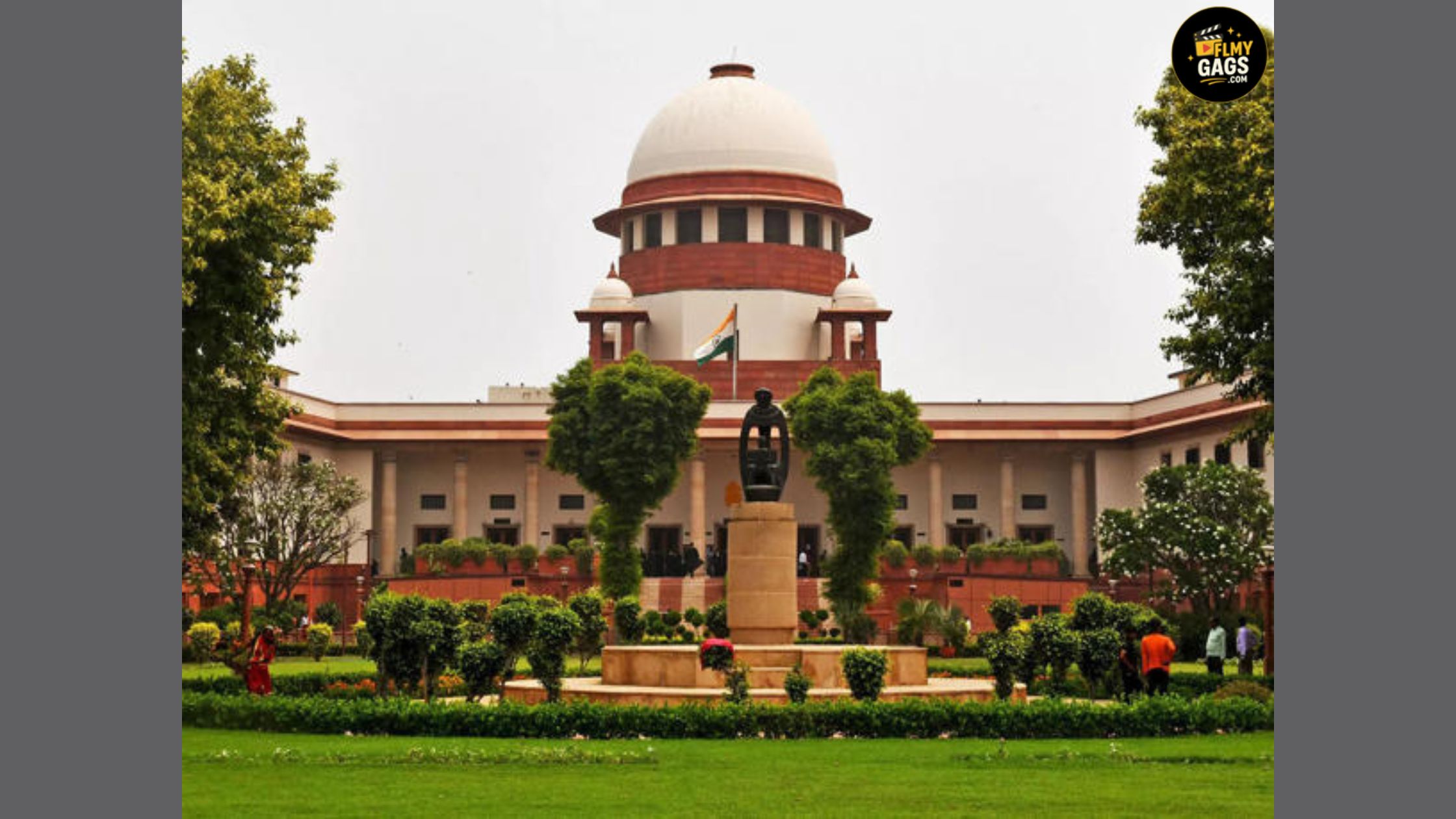
This question lies at the heart of one of India’s most sensitive constitutional debates—the Sabarimala case. Recently, the Supreme Court of India reignited this discussion by cautioning against prioritizing individual religious freedom over that of a group or denomination.
The court warned that doing so could lead to “dangerous consequences” and even the “annihilation of religion.”
But what does this really mean?
Is individual freedom absolute?
Can tradition override equality?
Where should courts draw the line?
Let’s break down this complex issue with clarity, depth, and real-world relevance.
Understanding the Core Issue: Sabarimala and Constitutional Conflict
What Is the Sabarimala Controversy?
The debate centers around the Sabarimala Temple, a prominent Hindu shrine dedicated to Lord Ayyappa.
Traditionally:
- Women aged 10–50 years were not allowed entry
- The restriction was linked to the deity’s “naistik brahmachari” (celibate) nature
The 2018 Landmark Judgment
In 2018, the Supreme Court of India ruled that:
- The ban violated constitutional rights of women
- It was discriminatory and unconstitutional
This decision triggered:
- Nationwide debates
- Protests and resistance
- Attempts by women activists to enter the temple
Key Individuals in the Case
- Bindu Ammini – Asserted her right to enter the temple
- Indira Jaising – Represented petitioners
The Constitutional Framework: Article 25 Explained
What Does Article 25 Say?
Article 25 of the Indian Constitution guarantees:
- Freedom of conscience
- Right to freely profess, practice, and propagate religion
But here’s the catch:
This right is not absolute.
It is subject to:
- Public order
- Morality
- Health
- Other fundamental rights
The Real Conflict: Individual vs Collective Rights
The debate boils down to:
| Individual Right | Collective Right |
|---|---|
| A woman’s right to worship | A group’s right to maintain religious practices |
| Equality and non-discrimination | Preservation of tradition |
| Personal belief | Institutional belief |
Supreme Court’s Recent Observations: A Critical Turning Point
During recent hearings, the bench raised a powerful concern:
If individual rights override group rights, religion itself may collapse.
Key Arguments by the Court
1. Rights Cannot Cancel Each Other
Justice M.M. Sundresh questioned:
- Can one person’s Article 25 right override another’s?
Answer: No simple hierarchy exists.
2. Risk of Religious Chaos
If every individual:
- Interprets religion differently
- Practices freely without limits
It could lead to disorder within religious systems
3. Religion as a Matter of Conscience
Justice B.V. Nagarathna emphasized:
- Religion is deeply personal and beyond debate
- Courts should be cautious in interfering
Powerful Statement
“We do not want to be a part of the annihilation of religion.”
Arguments from the Petitioners’ Side
1. Equality Must Prevail
Indira Jaising argued:
- Denying entry causes no harm to others
- It violates women’s dignity and equality
2. No Theological Ban
Petitioners claimed:
- There is no explicit scriptural prohibition
- The restriction is based on custom, not religion
3. Global Image of Indian Constitution
India is known for:
- Progressive constitutional values
- Strong protection of individual rights
This case tests that reputation.
Deep Dive: Why This Debate Matters
1. Sets a Legal Precedent
The outcome will influence:
- Other religious entry restrictions
- Gender equality cases
2. Defines Limits of Judicial Intervention
Should courts:
- Reform religion?
- Or respect traditions?
3. Impacts Social Harmony
Balancing rights is crucial to:
- Avoid conflict
- Maintain unity
Real-World Scenario: What Happens If Individual Rights Dominate?
Imagine this:
Every devotee:
- Chooses their own rituals
- Ignores established traditions
Result:
- Fragmentation of religious practices
- Loss of institutional identity
Did You Know?
India is one of the few countries where both individual and group religious rights are constitutionally protected—making such conflicts inevitable.
Common Myths About the Sabarimala Case
Myth 1: It’s Only About Gender Equality
Reality: It’s about constitutional balance of rights
Myth 2: Courts Can Freely Change Religious Practices
Reality: Courts tread carefully to avoid overreach
Myth 3: All Traditions Are Discriminatory
Reality: Some are protected as essential religious practices
Pro Tip
Understanding constitutional rights requires looking at both individual freedoms and community protections—not choosing one over the other.
Balancing Rights: Possible Solutions
1. Case-by-Case Evaluation
Not all practices are equal:
- Some are essential
- Others are reformable
2. Dialogue Over Litigation
Encourage:
- Religious reform from within
- Community discussions
3. Clear Legal Standards
Define:
- What qualifies as “essential religious practice”
- When courts can intervene
Comparison: Individual vs Collective Rights Globally
| Country | Approach |
|---|---|
| USA | Strong individual rights focus |
| France | Strict secularism |
| India | Balance between both |
Future Implications of This Debate
1. More Constitutional Challenges
Expect cases involving:
- Religious dress codes
- Temple/mosque access
- Ritual practices
2. Evolution of Indian Jurisprudence
This case could redefine:
- Scope of Article 25
- Role of judiciary
3. Social Transformation
Gradual shifts in:
- Gender roles
- Religious inclusivity
Key Takeaways
- The Sabarimala case highlights a clash between individual and group religious rights
- Article 25 protects both—but does not prioritize one
- Supreme Court warns against overriding collective religious practices
- The debate impacts equality, tradition, and legal boundaries
- Balanced interpretation is crucial for social harmony
FAQs
1. What is the Sabarimala case about?
It concerns women’s entry into the Sabarimala Temple and the conflict between equality and religious customs.
2. What did the Supreme Court say recently?
The Supreme Court of India warned that prioritizing individual rights over group rights could harm religious systems.
3. Is freedom of religion absolute in India?
No. It is subject to public order, morality, and other fundamental rights.
4. Why is this case important?
It sets a precedent for how courts balance individual freedom vs religious traditions.
5. Can courts change religious practices?
Only in limited cases, especially if practices violate constitutional principles.
Conclusion: A Delicate Constitutional Balance
The Sabarimala debate is not just about temple entry—it’s about the soul of India’s Constitution.
It forces us to confront a difficult truth:
Rights don’t exist in isolation—they coexist, often in tension.
The challenge lies in balancing:
- Individual dignity
- Collective faith
Your Next Step (CTA)
- Stay informed about constitutional developments
- Engage in thoughtful discussions—not emotional debates
- Understand both sides before forming opinions
Because the future of rights in India depends not just on courts—but on informed citizens like you.
About the Author